Simple Winter Animal Activities for Young Readers

When winter weather keeps children indoors, parents and caregivers often look for ways to balance learning, creativity, and calm. One of the easiest ways to do this is by pairing stories with simple, animal-focused activities.
Animal stories naturally invite curiosity. Children want to know how animals live, what they eat, and how they stay safe, especially during winter. With just a little intention, a single story can turn into an afternoon of meaningful learning and connection.
Why Animal Stories Are So Engaging for Young Children
Animals feel approachable. They are familiar enough to be comforting, but different enough to spark questions. For young readers, animal stories help introduce big ideas in gentle, age-appropriate ways:
Caring for others
Being patient and observant
Understanding the natural world
Talking about real situations through story
Because animals are non-threatening, children often feel safe expressing emotions and ideas they might not yet have words for.
Easy Winter Animal Activities to Try at Home
These activities require very little preparation and work well with preschool and early elementary-aged children.
1. Draw the Animal From the Story
After reading, invite your child to draw the animal they just met. Encourage them to notice details:
Is the animal big or small?
Does it have fur, feathers, or wool?
Where is it in the story?
There is no “right” drawing. This activity builds observation skills and confidence.
2. Talk About Winter Habitats
Ask simple questions:
Where does this animal live?
Is it warm or cold there?
What might the animal eat in winter?
Let children guess first. The goal is conversation, not correctness.
3. Retell the Story Together
Ask your child to explain what happened in their own words:
What happened first?
Was the animal alone or with others?
How did the story end?
This strengthens memory, sequencing, and comprehension—without feeling like a lesson.
Using Real Stories to Build Empathy
Stories based on real events often resonate deeply with children. Fiona The Lost Sheep works well for winter activities because it is both gentle and true.
After reading, you might talk about:
Why Fiona stayed where she was
Who noticed her
How people worked together to help
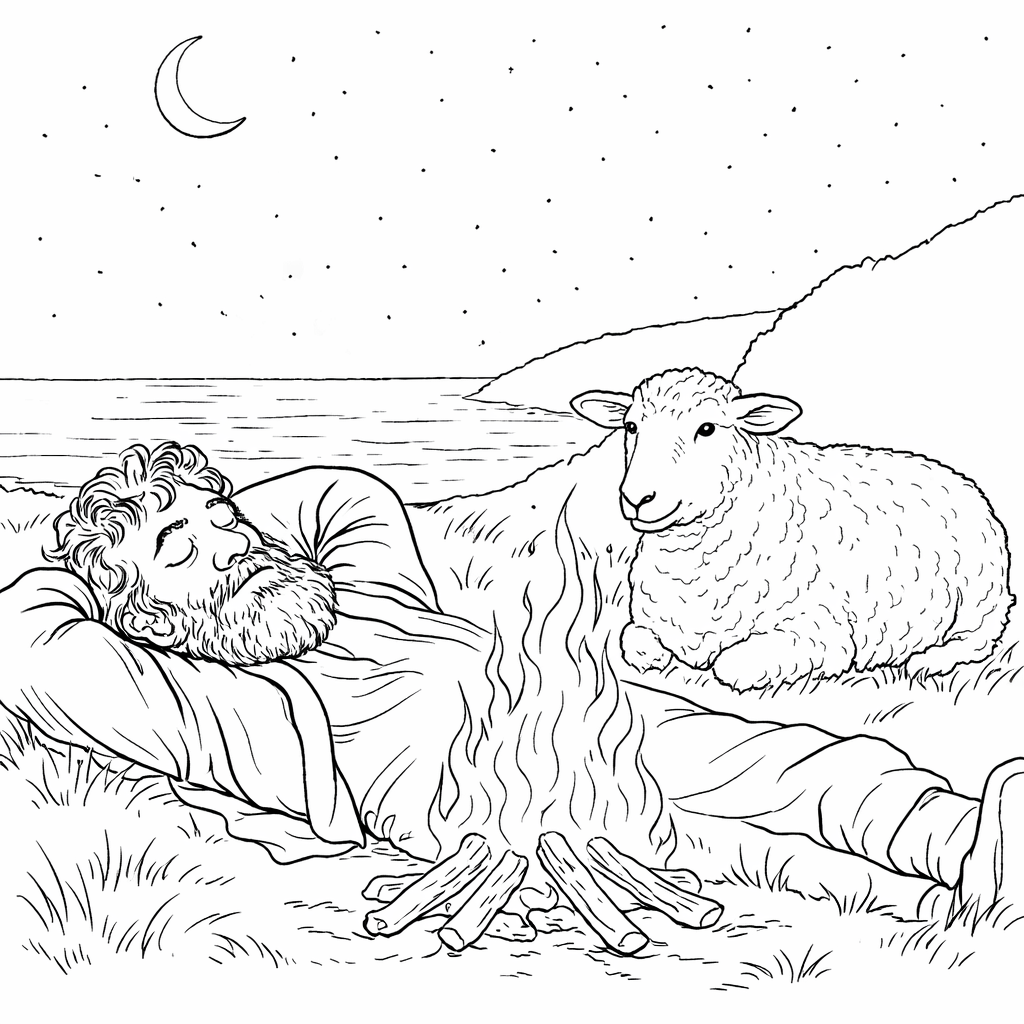
These conversations naturally introduce empathy, patience, and the idea that small acts of care matter. You can download this free Fiona The Lost Sheep coloring sheet by just right clicking (or tap and hold) and saving the image:
Keep It Simple—and Enjoy the Time Together
Winter learning does not need to be loud, busy, or structured. Often, the most meaningful moments come from quiet activities done slowly and together.
If you’d like to explore the story alongside these activities:
However you choose to read and play, what matters most is the shared experience. A story, a few questions, and time together are more than enough.